
Cardiac Remodeling
The research group investigates the cardiac remodeling processes that occur during the development of heart failure. When the heart is subjected to increased stress, for example due to valvular heart disease or following a myocardial infarction, it initially responds by adapting to the increased workload, thereby maintaining cardiovascular stability. However, under chronic stress, remodeling progressively worsens, eventually leading to a decline in cardiac function and potentially to overt heart failure.
The group’s primary objective is to understand the underlying mechanisms responsible for the transition from compensated hypertrophy (enlargement of cardiac muscle cells), with cardiac function still largely preserved, to heart failure, and to develop novel therapeutic approaches. To this end, the group conducts analyses of human cardiac tissue to gain a better understanding of the different stages of heart failure development. In parallel, modifications of mechanisms previously identified are investigated as potential therapeutic interventions using in vivo and in vitro models.
The following research areas are being investigated:
1. Impact of different forms of mechanical load on the development of heart failure: Afterload and preload have different effects on the heart (Toischer et al., 2010). Potential therapeutic interventions have been tested, including the induction of cardiomyocyte proliferation (Toischer et al., JCI, 2017), modification of ryanodine receptor leak (Mohamed et al., Science Translational Medicine, 2018), and other therapeutic targets (Khadjeh et al., Basic Research in Cardiology, 2020). Clinical investigations are conducted using biopsies from patients with severe aortic valve stenosis (Gersch et al., European Journal of Heart Failure, 2026, accepted; Gersch et al., Clinical Research in Cardiology, 2025; Xu et al., Cardiovascular Research, 2024).
2. Epigenetics in heart failure: The effects of epigenetic changes in heart failure are also being investigated, with a particular focus on N6-methyladenosine (m6A) RNA methylation (Berulava & Buchholz et al., European Journal of Heart Failure, 2019; Anamalai et al., Cell Communication and Signaling, 2025).
3. Heart–brain interaction: The heart and brain interact in various ways. In recent years, we have demonstrated that heart failure temporarily impairs cognitive function and that this effect is mediated by epigenetic mechanisms (Islam et al., EMBO Molecular Medicine, 2021; Gisa et al., Non-coding RNA, 2025).
The following projects are currently underway:
- Identification of heart failure mechanisms using human cardiac tissue samples from patients with aortic stenosis
- Differences between increased preload (e.g. aortic valve regurgitation) and increased afterload (e.g. aortic valve stenosis)
- Cardiac regeneration through cardiomyocyte proliferation
- Modulation of epigenetic mechanisms (RNA methylation, reader proteins, and microRNAs)
- Mechanisms and therapeutic strategies in heart failure with preserved ejection fraction (HFpEF)
Team
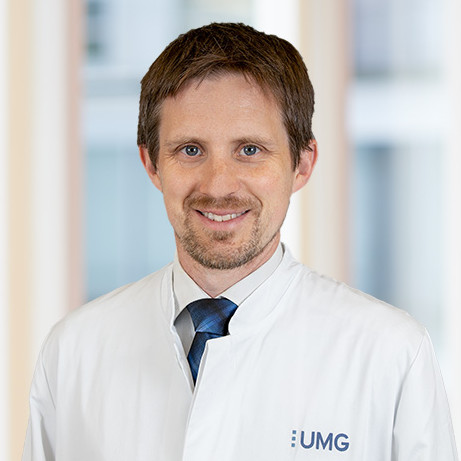
Sekretariat
- Telefon: +49 551 3963907
- Telefax: +49 551 3963906
- E-Mail-Adresse: michaela.jakobeit(at)med.uni-goettingen.de
Leiter interventionelles Herzklappenprogramm - Kardiologie
Anmeldung: Tel. 0551-39-60700 | Fax. 0551-39-60701
E-Mail. kardiologie.casemanager(at)med.uni-goettingen.deLeiter Intensivmedizin
Facharzt für Innere Medizin und Kardiologie
Zusatzbezeichnungen/-qualifikationen: Intensivmedizin, interventionelle Kardiologie, Herzinsuffizienz, aktive Herzrhythusimplantate
Medical Doctors

Kontaktinformationen
- Telefon: +49 551 3968292
- E-Mail-Adresse: johannes.eckelt(at)med.uni-goettingen.de
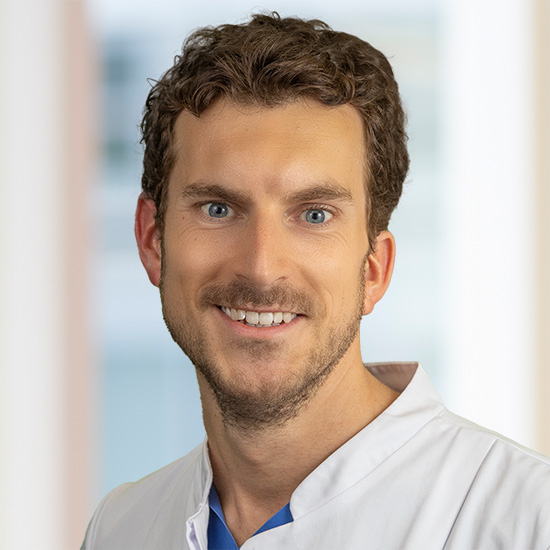
Kontaktinformationen
- Telefon: +49 551 3968292
- E-Mail-Adresse: svante.gersch(at)med.uni-goettingen.de
Kontaktinformationen
- Telefon: +49 551 3966315
- E-Mail-Adresse: steffen.uhr(at)med.uni-goettingen.de
Scientific Staff
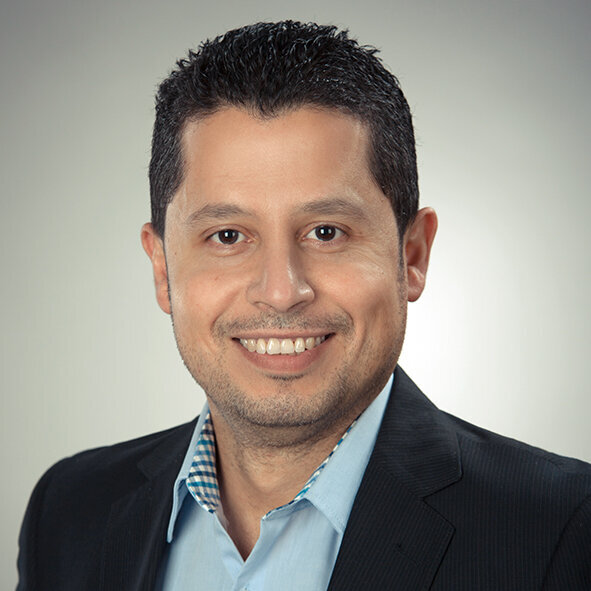
Kontaktinformationen
- Telefon: +49 551 3966380
- E-Mail-Adresse: mohamed.belal(at)med.uni-goettingen.de
Post Doctoral
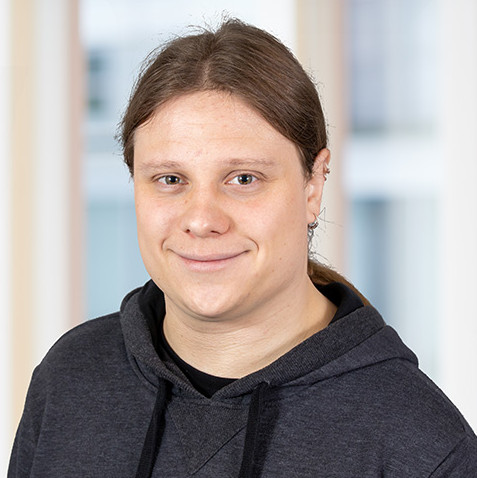
Kontaktinformationen
- Telefon: +49 551 3912128
- E-Mail-Adresse: eric.buchholz(at)med.uni-goettingen.de
Associated Researchers (Clinical Chemistry)
Kontaktinformationen
- Telefon: +49 551 3965510
- E-Mail-Adresse: moritz.schnelle(at)med.uni-goettingen.de
PhD Students
Techical Assistant
Kontaktinformationen
- Telefon: +49 551 3969635
- E-Mail-Adresse: sabrina.koszewa(at)med.uni-goettingen.de
Alumni
Dr. rer. nat. Sara Khadjeh
stellv. Projektleiterin
Telefon: 0551 39 63633
E-Mail: sara.khadjeh(at)med.uni-goettingen.de
Dr. rer. nat. Joanna Jakubiczka-Smorag
(Postdoc/TA)
Dr. rer. nat. Dawid Lbik
(Postdoc)
Alessya Kretzschmar
(TA)
Philipp Ulrich
(med. Doktorarbeit)
Maximilian Hofmann
(med. Doktorarbeit)
Svante Gersch
(med. Doktorarbeit)
Svenja Jochmann
(med. Doktorarbeit)
Robin Hindmarsch
(M.Sc. Projekt)
Malte Hochfeld
(med. Doktorarbeit)
Elbert Sadrach
(med. Doktorarbeit)
Nelly Wery von Limont
(med. Doktorarbeit)
Alessa Pommeranz
(med. Doktorarbeit)